Is a Tripod Worth It for Landscape Photography? A Practical Comparison
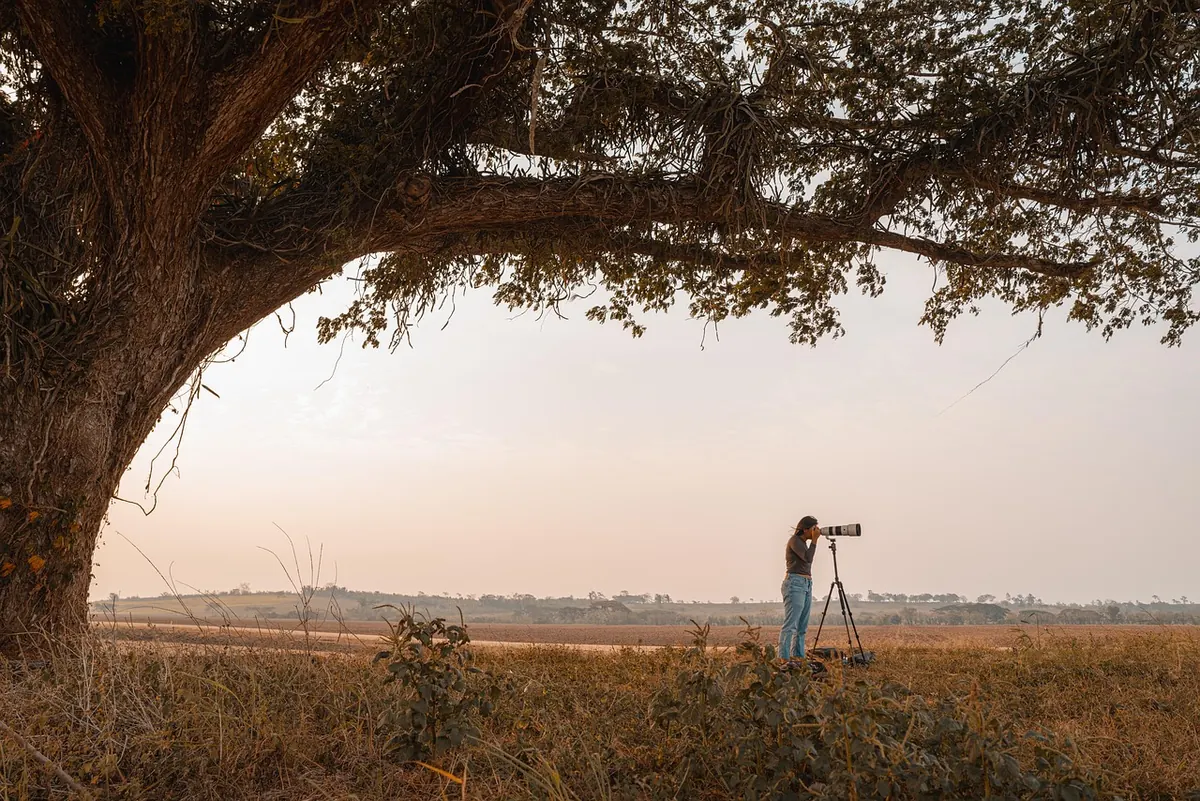
A tripod is one of those purchases that feels mandatory. Landscape photographers are told to carry one, use one, and never trust a handheld frame. Then you spend a morning hiking with three extra pounds on your back and miss a fleeting rainbow while you’re tightening a ball head. So is a tripod worth it? Sometimes. The better question is: worth it for which shot? Handheld photography has improved dramatically thanks to in-body stabilization, better high-ISO performance, and fast lenses. A tripod remains the most reliable way to control composition, use dark filters, and stretch an exposure past a second. The trick is knowing when each approach earns its place.
Where Handheld Shooting Has Caught Up
In good light, handheld is not a compromise. If you can keep the shutter speed at 1/125 sec or faster, most modern cameras and lenses will deliver clean, sharp files at reasonable ISOs. A classic example: a sunrise overlook, 24mm lens, f/8, 1/250 sec, ISO 200. You brace your elbows against a railing, exhale, and make five frames. One will be crisp. Even in softer light, stabilization can buy you two or three stops, letting you handhold at 1/30 sec or 1/15 sec with careful technique.
That flexibility matters when the composition changes fast—waves, fog, moving animals, people in the scene—or when a tripod would block a narrow trail. Handheld also keeps you mobile. You can chase light instead of guarding a spot.
The Sharpness Question
Sharpness is not a binary switch that flips when you add legs. It is a chain: shutter speed, stabilization, focus accuracy, lens quality, air movement, and your own breathing. A tripod removes handshake, but it can add vibration if you extend a thin center column in wind, stab the legs into soft ground, or jab the shutter button with your finger. Use a delayed release, an electronic shutter, or a remote. Hang your bag from the hook for stability.
On a tripod, sharpness becomes repeatable. You can focus precisely, check the histogram, and shoot the same frame again as light changes. That consistency is why tripods still matter for large prints, focus stacking, and low-light work. For a phone-sized screen or a modest print, a well-braced handheld frame is often indistinguishable.
What a Tripod Makes Possible
Filters and long exposures are where the tripod stops being optional. A polarizer can be used handheld, but rotating it and judging the effect is much easier when the camera is locked down. Graduated neutral density filters also become simpler when your horizon stays put. Solid ND filters are the real line: a 6-stop or 10-stop filter can push a bright scene into a 2-second, 10-second, or 30-second exposure. At that point, handheld is not a style choice; it is blur.
Long exposures let you smooth water, streak clouds, and turn traffic into ribbons of light. Tripods also help with bracketing for high dynamic range, focus stacking for foreground-to-background sharpness, and night photography. A locked camera means you can wait for the right wave or the exact moment a cloud opens.
When Handheld Is the Better Tool
Not every landscape rewards patience. On a long hike, the tripod can be the difference between reaching a ridge for sunset and watching it from the switchbacks. In rain, spray, or blowing sand, fewer setup steps mean fewer problems. In crowded viewpoints, a tripod may be impossible or rude.
Handheld excels when the light is already good and the scene is changing: a break in storm clouds, a deer crossing a meadow, a kayaker entering the frame. If you need speed, raise the ISO. A slightly noisy image that exists beats a clean image you never made. Modern noise reduction can handle ISO 1600 or 3200 in many situations, especially if you expose carefully and avoid heavy cropping. Use stabilization, brace against trees or rocks, shoot in bursts, and review at 100 percent before trusting the frame.
A Practical Field Comparison
Here is a simple way to decide before you set up or walk on.
- Shutter speed: If your required speed is 1/60 sec or faster, handheld is a reasonable first try. If it is 1/15 sec or slower, use a tripod or find support.
- Motion: Moving water, clouds, or light trails usually call for a tripod.
- Filters: Polarizers can work handheld. Solid ND filters almost always need one.
- Output: Large prints, client work, and pixel-level detail favor a tripod.
- Access and time: Long hikes, tight spaces, and fast-moving light favor handheld.
- Repeatability: If you need several frames with identical framing, use a tripod.
Technique fixes for both approaches
Handheld: tuck your elbows, exhale halfway, squeeze the shutter, use burst mode, and avoid one-handed shooting. Tripod: spread the legs before raising the center column, use a remote or two-second delay, turn off stabilization when the camera is locked down, and shield the tripod from wind with your body if needed.
Choosing a Tripod You’ll Actually Carry
The best tripod is the one you do not resent. Weight and packed length matter more than maximum height for most landscape hikes. Aluminum is affordable and tough; carbon fiber is lighter and dampens vibration slightly better, but it costs more. Look for a height that lets you stand mostly upright without raising the center column. A ball head is quick and compact; a pan-and-tilt head is easier for precise adjustments. Quick-release plates are convenient, but check that they lock firmly.
You do not need the most expensive model, but you do need legs that do not shiver in a breeze. A compact travel tripod can be enough for a mirrorless camera and a wide lens; a heavier setup needs more support.
The Final Call: Match the Tool to the Shot
For landscape photography, a tripod is worth it when the shot depends on time: long exposures, filters, low light, focus stacking, or a composition you want to refine slowly. It is not worth it when the shot depends on speed, distance, or spontaneity. Many photographers carry a light tripod and use it selectively. Others leave it home for day hikes and bring it for dedicated sessions. Both approaches can produce excellent work.
Before your next outing, ask what the image needs. If the answer is a two-second exposure or a perfectly level horizon, pack the tripod. If the answer is a fast-moving cloud and a mile to go, trust your hands and your stabilization.
Photo: RonaldPlett / Pixabay