Golden Hour vs Blue Hour: When to Shoot Scottish Landscapes
At the top of the Quiraing in June, the sun barely bothers to set. It drops behind the Outer Hebrides, leaves a smear of orange along the horizon, and by midnight the whole ridge sits in a soft blue glow that will not properly fade until two in the morning. Twelve weeks later, that same ridge is dark by half past three. Scotland's latitude does generous and slightly disorienting things to the light. Knowing which of the two beautiful hours you are standing in, and what each one is actually good at, is the difference between a decent frame and one worth printing.
The two windows, named honestly
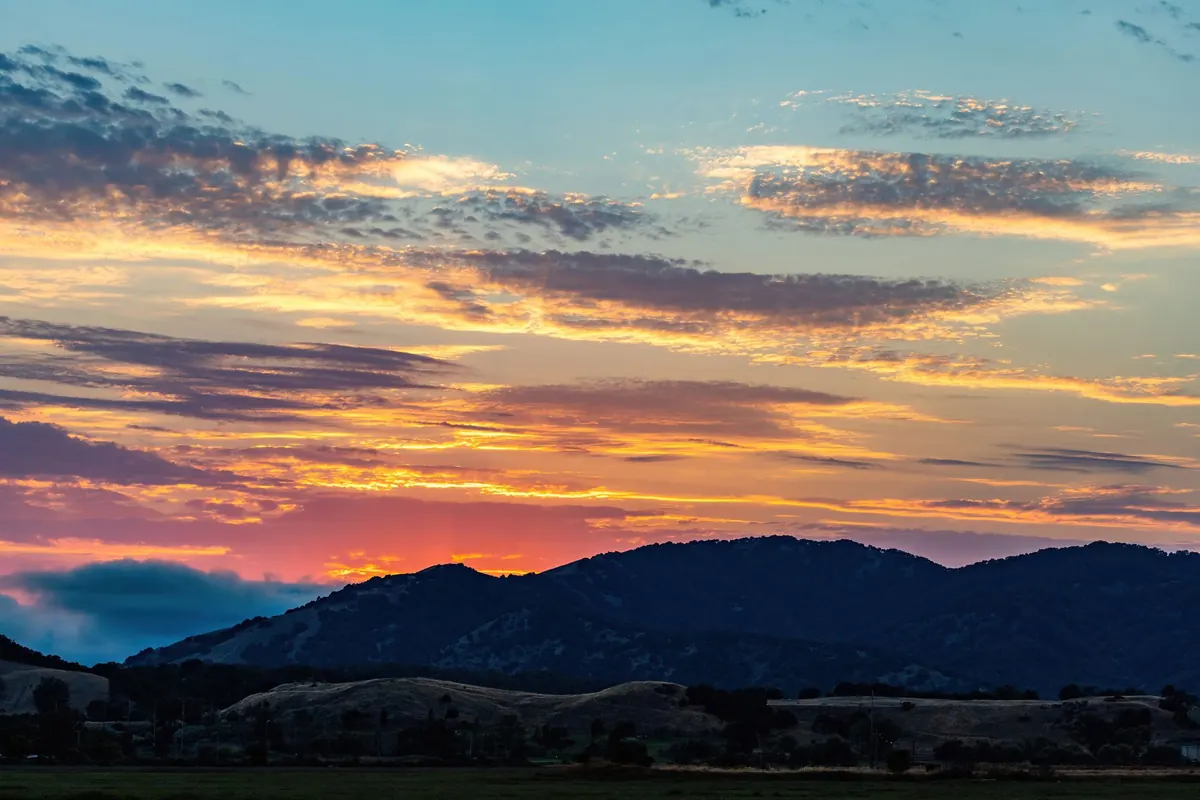
Golden hour is the stretch of low sun either side of sunrise and sunset, usually around an hour at each end but variable. Light arrives warm and raking, coming at the land almost sideways. Shadows stretch, texture in rock and grass reads clearly, and contrast climbs high enough that you have to work for your exposure. In a Scottish December, with the sun crawling only a few degrees above the horizon, golden hour can feel like most of the day.
Blue hour is what comes before or after it, when the sun has slipped just below the horizon. The light is cool, soft and almost directionless. Contrast collapses, colour goes deep and saturated, and exposures run into seconds. Around midsummer in Orkney and Shetland the sun never dips far enough for true darkness, so blue hour can stretch for hours. The two windows are not rivals. They solve different problems.
Golden hour: when raking light earns its keep
Choose golden hour when the land has shape you want revealed. Late light running down a glen picks out every gully and fold on the hillside; the same view at midday looks like a flat silhouette. Heather in late summer glows under it. Coastal rocks warm up, wet sand turns to bronze, and backlit sea spray catches fire during a squall.
Cloud is the great variable. A clean horizon gives you twenty minutes of clean colour. Broken cloud after a front gives something better and less predictable: light that moves across the landscape in patches, briefly illuminating one ridge while the next stays in shadow. Rain showers and low sun also mean rainbows, often appearing and vanishing within a minute or two, so keep the camera ready rather than packed away.
Sunrise generally beats sunset in practical terms. Wind is lighter, beaches and car parks are empty, and you watch the light develop across a scene you can already see. At sunset you are watching it leave.
Blue hour: the quiet specialist
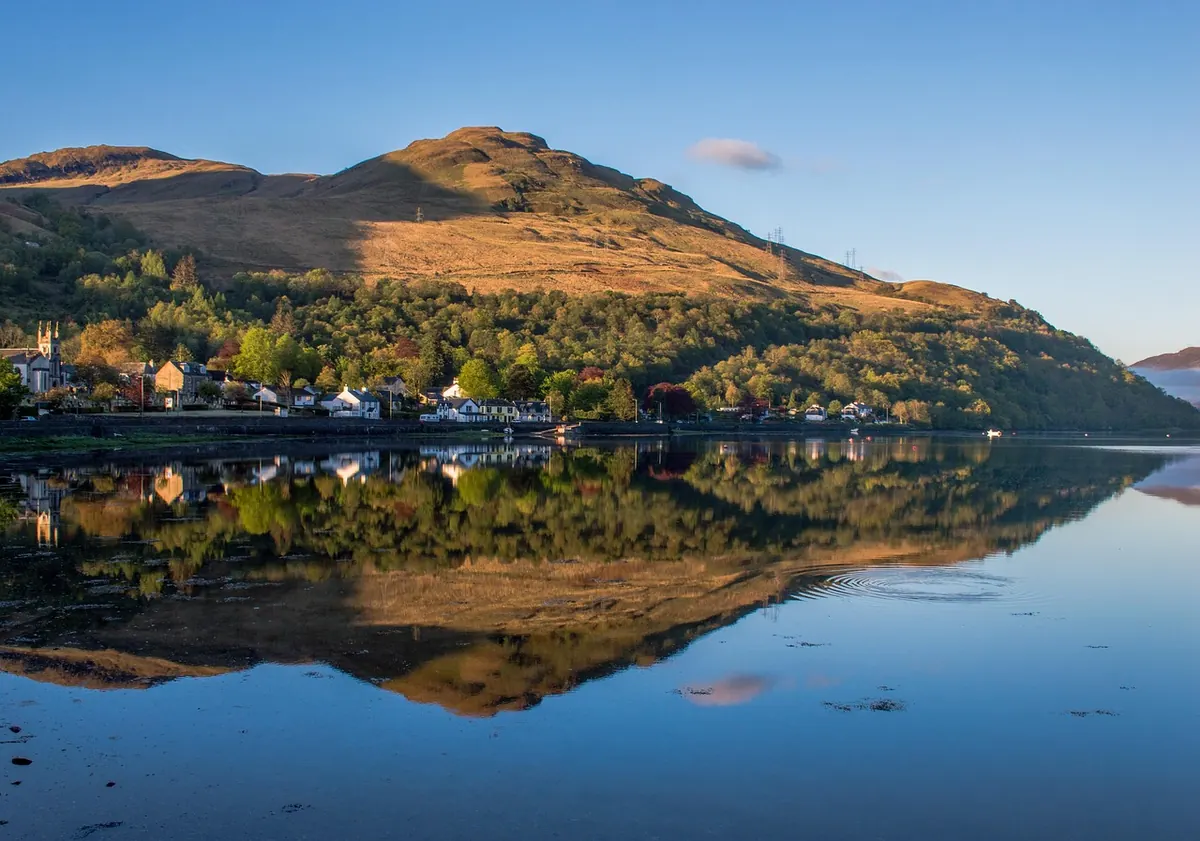
Blue hour is where Scottish landscapes get moody without trying. Long exposures smooth moving water into something calm, so a loch with a light breeze still gives you a clean reflection. Sea stacks and headlands become dark, simple shapes against a luminous sky. Standing stones look ancient in a way they simply do not at noon. Snow scenes take on blue shadows that feel colder than the temperature.
The technical demands are real. You need a tripod, a remote release or two-second delay, and a tolerance for higher ISOs. Set white balance manually rather than trusting auto, which will try to warm the scene and kill the very colour you came for. Exposures of several seconds also mean anything moving fast, including foliage and people, will smear. Sometimes that helps. Often it does not.
Matching light to subject
- Mountain ridges, glens and big skies: golden hour, for texture and depth. Blue hour flattens them into silhouettes, which can be beautiful but loses the detail you walked five miles for.
- Lochs, bays and still water: blue hour, when wind often drops and reflections hold. Golden hour works too, but expect to fight the contrast between bright water and dark hills.
- Waterfalls and woodland: neither, honestly. Overcast light is the friend of moving water and mossy detail. Direct sun through trees creates blown highlights and patchy shadows.
- Sea stacks and rocky coastline: both. Golden hour for warm rock and backlit spray, blue hour for smooth water and simple shapes.
- Standing stones and ruins: blue hour, especially with a low torch or car headlights behind you for a hint of separation.
- Heather, birch and autumn colour: golden hour. Warm light on warm colour is the whole point.
- Snow and frost: blue hour, particularly in late afternoon when the hills go pink above a blue shadow line.
Getting the most out of either window
- Scout in daylight. Find your composition, note where the sun will sit, and pre-focus if you can. Both windows move faster than you think.
- Arrive early. Be in position 45 minutes before golden hour and a full hour before blue hour. The best two minutes usually happen before you expect them.
- Check wind, tide and midges. Wind matters more than anything for reflections. Tide decides whether your foreground exists. Midges are worst on still, humid evenings on the west coast, and a head net is cheap insurance.
- Stabilise properly. Tripod low, image stabilisation off, delay or remote release. Long exposures punish every bit of sloppiness.
- Expose for the highlights and bracket. Two or three frames a stop apart give you options later, especially when a bright sky sits above dark hills.
- Keep shooting after the moment. Colour often returns faintly ten minutes after it seems finished, and the crowd will already be walking back to the car.
If the weather does not cooperate
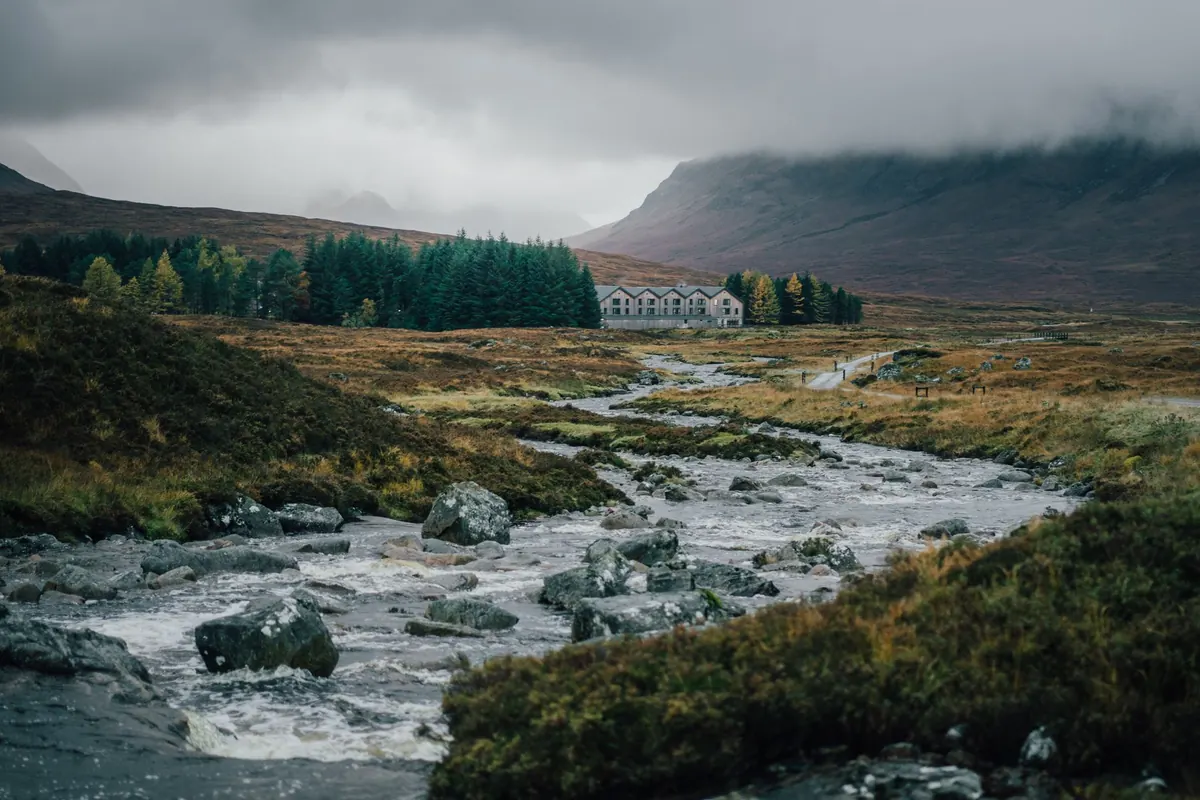
Flat grey light is the default in Scotland, and it is not bad light. It is light that suits different subjects: waterfalls, woodland close-ups, rock and lichen detail, long exposures of moving water, black-and-white studies of texture. The mistake is standing in front of a grand vista waiting for colour that will not arrive. Turn around, look at your feet, and photograph something small and close instead.
Choosing on the day
Ask two questions. Does this subject need texture and warmth, or shape and stillness? And how far do I have to walk back in the dark? If the answer to the second question is "a long way", golden hour is the safer bet, because you finish with light in the sky and a path you can see.
If you only get one chance at a location, take sunrise. You learn the place as it appears rather than watching it disappear, and you will be calmer and more deliberate with a coffee in you and nobody else around. Then go back for blue hour once you already know where to stand. Between the two, you will cover more of what Scotland actually looks like than any single perfect evening ever could.
Photo: Robert So / Pexels